
Seeing an oxygen concentrator for sale can feel reassuring, but it also raises practical questions fast. They should focus on safety, suitability, ongoing costs, and Australian supply support before anyone clicks “buy”.
This guide covers what to check in 2026, what matters most at home or on the road, and how to avoid common purchase mistakes in Australia.
What is an oxygen concentrator and who is it for?
An oxygen concentrator is a medical device that filters nitrogen from air to deliver a higher concentration of oxygen through a nasal cannula or mask. They are typically used by people with diagnosed respiratory conditions who have been prescribed oxygen therapy.
In Australia, the right setup usually depends on a clinician’s prescription, the required flow rate, and whether oxygen is needed at rest, during activity, or overnight.
Why does it matter whether oxygen is prescribed before buying?
A prescription matters because oxygen flow settings and usage hours should match a clinical plan, not guesswork. They risk under-treating breathlessness or creating complications if they self-select the wrong device.
If they are considering an oxygen concentrator for sale, they should ask their GP or respiratory specialist for the target oxygen saturation range and required litres per minute, then match the machine to that plan.
What’s the difference between continuous flow and pulse dose?
Continuous flow delivers oxygen at a steady rate, usually preferred for sleep, some chronic needs, and people who cannot reliably trigger pulse delivery. Pulse dose senses inhalation and delivers bursts, which can be better for portability and battery life.
When they compare an oxygen concentrator for sale listing, they should check whether the stated “equivalent” pulse settings truly meet their prescribed continuous litres per minute.
How do they choose the right flow rate and purity?
Most home units provide up to 5 LPM, while some high-flow models go higher, but size, noise, and power use increase. Medical-grade concentrators typically aim for oxygen purity around 90 per cent or above within the specified flow range.
If the listing is vague about purity at the highest settings, they should treat that as a red flag and request the full specification sheet before buying an oxygen concentrator for sale.
Should they buy a home unit or a portable concentrator?
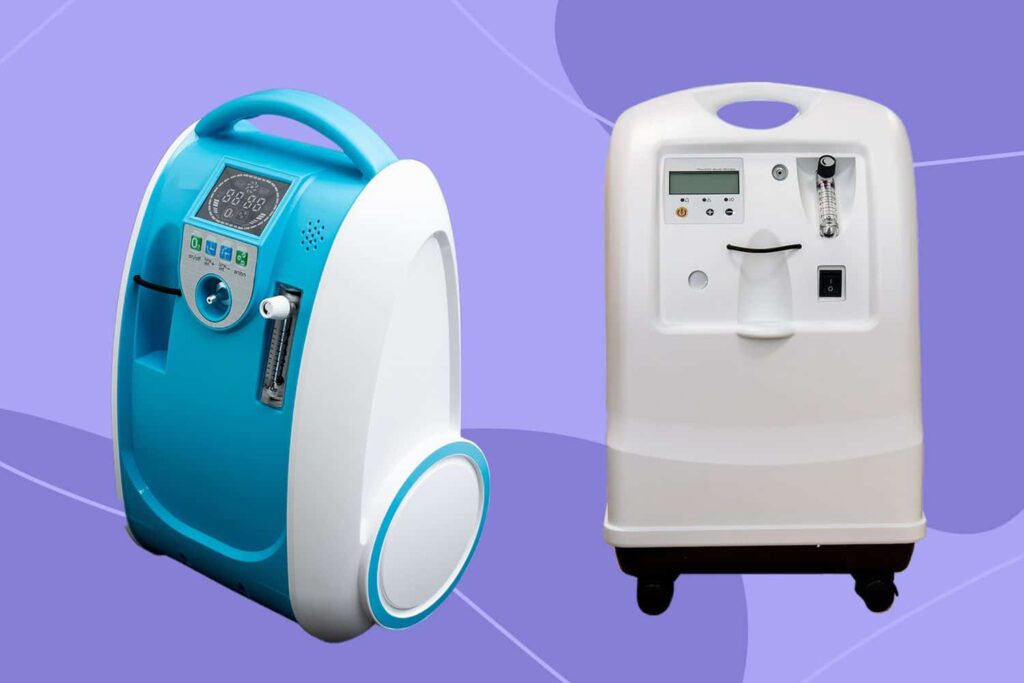
Home units are usually heavier, plug-in, and better for reliable continuous oxygen over long periods. Portable units are lighter and travel-friendly, but many use pulse dose, have lower maximum output, and require battery management.
If they want an oxygen concentrator for sale for both home and outings, they should plan for two devices or a hybrid plan, rather than expecting one portable model to cover every scenario.
What should they look for in battery life and charging options?
Battery claims can be optimistic because runtime varies by setting, breathing pattern, and battery age. They should check real-world runtime at their prescribed setting, plus how long charging takes and whether spare batteries are available locally.
For Australians travelling regionally, an oxygen concentrator for sale is more practical when it supports car charging and has readily available replacement batteries shipped within Australia.
Can they use an oxygen concentrator for air travel in Australia?
Many airlines require an approved portable unit and paperwork ahead of time, even for domestic routes. They should confirm the specific airline’s accepted device list, battery requirements for flight duration, and medical clearance timelines.
Before they commit to an oxygen concentrator for sale marketed as “travel ready”, they should verify airline acceptance and not rely on generic claims.
How important are noise levels and heat for home use?
Noise can affect sleep and daily comfort, especially in smaller homes or flats. Concentrators also generate heat, so room ventilation matters, particularly in warmer Australian climates.
If they are choosing an oxygen concentrator for sale for bedroom use, they should check decibel ratings, user reviews about night operation, and whether filters are easy to keep clean in dusty conditions.
What maintenance and consumables should they budget for?
They should expect filter cleaning or replacement, cannula and tubing changes, and occasional servicing depending on usage. Some machines have user-replaceable intake filters, while others rely more on scheduled servicing.
A cheap oxygen concentrator for sale can become expensive if parts are hard to source in Australia or if servicing requires shipping interstate with long turnaround times.
Is it safer to buy new, used, or refurbished?
New units provide the clearest warranty, known hours of use, and predictable performance. Refurbished can be cost-effective if they come from a reputable Australian supplier with documented testing, new filters, and a solid warranty.
Used private sales are riskier because run-hours, internal wear, and hygiene history may be unknown, even if the oxygen concentrator for sale appears to “work fine” on pickup.
What Australian standards and supplier checks should they confirm?
They should look for Australian compliance indicators and clear supplier details, including an ABN, local contact support, and warranty terms that apply in Australia. They should also check that the model is supplied with an Australian plug and appropriate manuals. Check out more about Applying for an ABN.
If they are buying an oxygen concentrator for sale online, they should avoid grey imports that complicate warranty claims, returns, and parts supply.
What questions should they ask before paying?
They should ask for the exact model number, maximum output, oxygen purity across flow settings, noise rating, and whether it supports continuous flow or only pulse dose. They should also confirm warranty length, return policy, and who pays shipping for faults.
For any oxygen concentrator for sale, they should request proof of run-hours for refurbished units, plus written confirmation of servicing and testing.
How do they avoid scams and misleading listings?
They should be cautious of prices far below typical Australian retail, sellers who refuse serial numbers, or listings that avoid stating the oxygen purity specification. They should also watch for copied photos, vague “hospital grade” claims, and pressure to pay via unprotected methods.
When in doubt, they should buy an oxygen concentrator for sale from an established Australian medical supplier with verifiable reviews and a phone support line.
What does it typically cost in Australia this year?
Costs vary by type, output, and brand, with home units generally more affordable than high-quality portable units. Ongoing costs include accessories, replacement filters, and potentially batteries for portable devices.
If they see an oxygen concentrator for sale that seems like a bargain, they should compare total ownership costs over two to three years, not just the upfront price.
Are rentals or hire options better for some people?
Yes, hire can suit short-term recovery, visiting family, post-hospital transitions, or trialling portability before committing. Rental can also include servicing and support, which simplifies things for people who do not want maintenance responsibilities.
If they are unsure about needs, they should consider hire before buying an oxygen concentrator for sale, then purchase once the prescription and lifestyle fit are clear.
What else should they set up at home for safe use?
They should keep the device in a well-ventilated area, away from curtains and heat sources, and follow fire safety rules, including no smoking near oxygen. They should also plan for power outages, especially in storm-prone regions, using a backup plan agreed with their clinician.
Even with an oxygen concentrator for sale that seems simple to operate, safe placement, tubing management, and emergency planning make a real difference.
See Also : Aerobika Australia: Where to Buy and What to Know
What are the key takeaways before they buy?
They should match the device to a prescription, confirm continuous versus pulse delivery, and prioritise Australian warranty and service support. They should also budget for consumables and verify performance specifications before purchase.
When they choose an oxygen concentrator for sale with clear specs, local backing, and the right output for their therapy plan, they reduce risk and make daily oxygen use far easier.
FAQs (Frequently Asked Questions)
What is an oxygen concentrator and who should use one?
An oxygen concentrator is a medical device that filters nitrogen from air to deliver higher concentrations of oxygen through a nasal cannula or mask. It is typically used by people with diagnosed respiratory conditions who have been prescribed oxygen therapy by a clinician in Australia, based on their specific flow rate and oxygen needs.
Why is it important to have a prescription before buying an oxygen concentrator?
A prescription ensures the oxygen flow settings and usage hours match a clinical plan, preventing risks like under-treating breathlessness or causing complications. Before purchasing an oxygen concentrator for sale, Australians should consult their GP or respiratory specialist to get the target oxygen saturation range and required litres per minute, then select a device accordingly.
What are the differences between continuous flow and pulse dose oxygen concentrators?
Continuous flow concentrators deliver oxygen at a steady rate, preferred for sleep and some chronic needs, especially for those who cannot trigger pulse delivery reliably. Pulse dose units sense inhalation and provide bursts of oxygen, which improves portability and battery life. When comparing listings, ensure pulse dose settings truly meet the prescribed continuous litres per minute.
Should I buy a home unit or a portable oxygen concentrator in Australia?
Home units are heavier, plug-in devices best suited for reliable continuous oxygen over long periods at home. Portable units are lighter, travel-friendly, often using pulse dose delivery with lower maximum output and require battery management. For both home use and outings, consider planning for two devices or a hybrid solution rather than relying on one portable model for all scenarios.
What maintenance costs and support should I expect when buying an oxygen concentrator?
Regular maintenance includes filter cleaning or replacement, changing cannulas and tubing, and occasional servicing depending on usage. Some machines allow user-replaceable intake filters; others need scheduled servicing. In Australia, sourcing parts locally and timely servicing are crucial to avoid costly delays or interstate shipping expenses.
How can I ensure safety and compliance when purchasing an oxygen concentrator in Australia?
Look for Australian compliance indicators, supplier details such as ABN, local contact support, warranty terms valid in Australia, Australian plugs, and appropriate manuals. Avoid grey imports that complicate warranty claims and parts supply. Always verify model specifications, ask about warranty length, return policies, and request proof of run-hours for refurbished units before buying.