Is LASIK Eye Surgery Safe? Risks, Benefits, and Long-Term Results

LASIK Eye Surgery

For anyone who relies on glasses or contact lenses every day, the idea of clear vision without them can feel both exciting and intimidating. LASIK eye surgery often comes up as a potential solution—but so does a very important question: Is it actually safe?

If you’re considering LASIK, it’s normal to want honest, balanced information rather than sales talk or overly technical explanations. This article is written to give you exactly that. Drawing on the perspective of an experienced eye care professional, it explains how LASIK works, who it’s suitable for, its real benefits and limitations, and what we know about safety and long-term results—so you can decide with confidence.


What Is LASIK Eye Surgery?

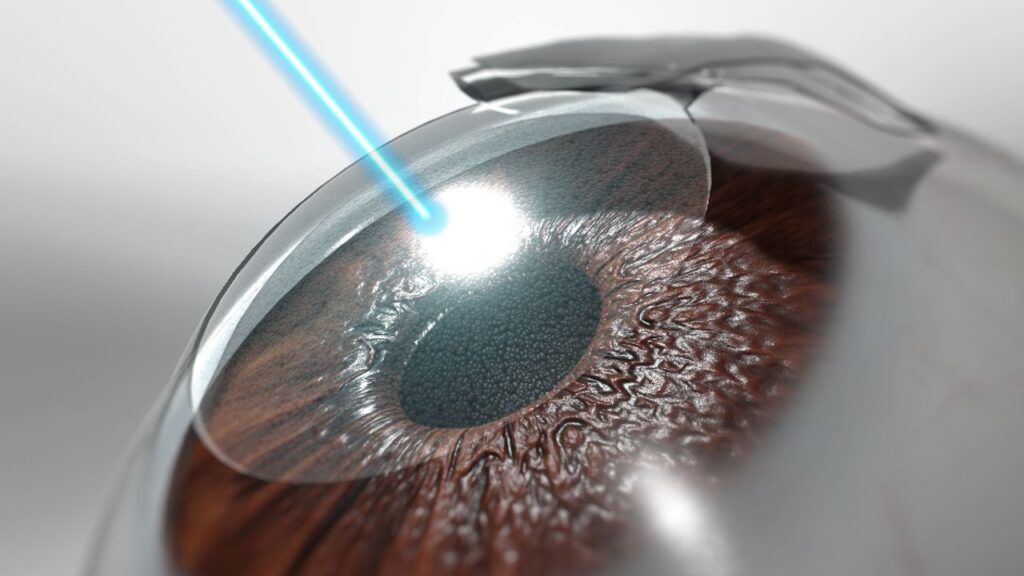
LASIK eye surgery is a form of refractive surgery designed to correct common vision problems by reshaping the cornea. The cornea is the clear, curved surface at the front of the eye that helps focus light. When its shape isn’t ideal, light doesn’t land properly on the retina, leading to blurred vision.

LASIK aims to correct this by gently reshaping the cornea using laser technology. By doing so, it improves how light enters the eye, helping images focus more accurately. The result for many people is clearer vision without the daily dependence on glasses or contact lenses.

LASIK is commonly used to correct:

  • Nearsightedness (myopia)
  • Farsightedness (hyperopia)
  • Astigmatism

It’s not a cosmetic shortcut or a temporary fix—it’s a medical procedure designed to improve how the eye focuses light.


How LASIK Eye Surgery Works: A Simple Step-by-Step Explanation

Understanding how LASIK works can help ease anxiety, especially for those uneasy about anything involving their eyes. While the technology is advanced, the process itself is carefully controlled and surprisingly quick.

Step 1: Comprehensive Eye Assessment

Safety begins well before surgery. Your eyes are measured in detail, including corneal thickness, shape, pupil size, and overall eye health. This step determines whether LASIK eye surgery is suitable and allows the treatment to be tailored precisely to your eyes.

Step 2: Numbing and Preparation

On the day of the procedure, numbing eye drops are used to keep you comfortable. You stay awake, but discomfort is usually minimal. A small device gently keeps the eye open so you don’t need to worry about blinking.

Step 3: Creating the Corneal Flap

A laser creates a very thin flap on the surface of the cornea. This flap is carefully lifted to expose the underlying corneal tissue. The process is highly precise and guided by computer mapping of your eye.

Step 4: Reshaping the Cornea

Another laser reshapes the exposed corneal tissue. This step usually takes less than a minute per eye. The laser removes microscopic amounts of tissue to adjust how light focuses inside the eye.

Step 5: Repositioning the Flap

The flap is gently placed back into position, where it naturally adheres without stitches. Healing begins almost immediately.

From start to finish, LASIK eye surgery typically takes about 10 to 15 minutes for both eyes.


Is LASIK Eye Surgery Safe?

This is the most important question—and the short answer is that LASIK eye surgery has a strong safety record when performed on suitable candidates by qualified professionals.

LASIK has been performed for decades, and the technology continues to improve. Modern lasers are extremely precise, and detailed pre-surgery screening plays a major role in reducing risks. Most complications associated with LASIK are mild and temporary, especially when proper guidelines are followed.

That said, “safe” doesn’t mean “risk-free.” Like any medical procedure, LASIK involves potential risks, which should be understood clearly before moving forward.


Understanding the Possible Risks and Side Effects

Being informed doesn’t mean being fearful—it means knowing what to expect.

Common Short-Term Effects

In the days or weeks after LASIK eye surgery, some people experience:

  • Dry or gritty sensations
  • Light sensitivity
  • Mild glare or halos, especially at night
  • Fluctuating vision

These effects usually improve as the eyes heal and stabilise.

Less Common Concerns

More persistent issues are uncommon but can include ongoing dryness or visual disturbances. This is why careful screening and realistic expectations are so important. A responsible eye care provider will discuss these possibilities openly and recommend alternatives if LASIK isn’t the best option for you.

LASIK Eye Surgery

Who Is LASIK Eye Surgery Suitable For?

LASIK eye surgery tends to be safest and most effective for people who meet certain criteria. While only a professional assessment can confirm eligibility, general suitability often includes:

  • Being over 18 years old
  • Having a stable vision prescription for at least a year
  • Having healthy eyes with no active disease
  • Having corneas thick enough for safe reshaping
  • Having realistic expectations about outcomes

People with active lifestyles often find LASIK appealing because it removes the need for glasses or contacts during sport, travel, or work.


Who May Not Be a Good Candidate?

LASIK isn’t suitable for everyone, and that doesn’t mean something is “wrong” with your eyes—it simply means another option may be safer.

LASIK eye surgery may not be recommended if you:

  • Have very thin or irregular corneas
  • Experience severe or chronic dry eye
  • Have certain eye conditions affecting healing
  • Are pregnant or breastfeeding
  • Have unstable vision prescriptions

In these cases, other vision correction methods may be suggested instead.


Benefits of LASIK Eye Surgery

When LASIK is appropriate, many people experience benefits that go well beyond clearer eyesight.

Improved Day-to-Day Convenience

Waking up and seeing clearly without reaching for glasses can be genuinely life-changing. Simple activities like exercising, swimming, or travelling often feel easier and more spontaneous.

Rapid Visual Improvement

Many people notice clearer vision within 24 hours. While full stabilisation takes time, early improvement is common and encouraging.

Long-Term Vision Correction

The corneal changes made during LASIK are permanent. Although natural age-related changes may occur later, the correction itself remains stable for most people.


Limitations and Realistic Expectations

LASIK eye surgery is highly effective, but it’s not a guarantee of “perfect” vision for life.

  • It doesn’t prevent age-related vision changes
  • Some people may still need reading glasses later on
  • Minor vision imperfections may remain
  • Results can vary slightly between individuals

Understanding these limits helps ensure satisfaction with the outcome.


Success Rates and Long-Term Results

Patient satisfaction after LASIK eye surgery is consistently high. Advances in laser technology and screening have significantly improved outcomes over the years.

Most people achieve vision that allows them to function comfortably without glasses or contacts in everyday situations. Long-term results are generally stable, especially when surgery is performed on carefully selected candidates.


What Recovery Typically Looks Like

Recovery from LASIK eye surgery is usually smooth and relatively quick.

First 24 Hours

  • Vision may be hazy or blurry
  • Eyes may feel dry or light-sensitive
  • Rest is encouraged

First Week

  • Vision continues to sharpen
  • Eye drops support healing
  • Many people return to work and routine activities

Longer-Term Healing

  • Vision stabilises over several weeks
  • Follow-up visits ensure proper healing

Following post-procedure instructions plays a key role in comfort and results.


FAQs About LASIK Eye Surgery Safety

Does LASIK eye surgery weaken the eyes over time?

LASIK eye surgery reshapes the cornea but does not weaken the eye overall. The structural integrity of the eye remains intact when the procedure is performed on suitable candidates. Proper screening ensures that enough corneal tissue remains to maintain long-term eye health and stability.

Can vision change years after LASIK?

The correction made during LASIK is permanent, but natural changes in vision can still occur as part of ageing. This doesn’t mean the surgery has failed; it reflects how eyes change over time. Many people maintain clear vision for years and adapt easily if minor changes occur.

Is LASIK safe for people with high prescriptions?

LASIK can correct a wide range of prescriptions, but very high prescriptions may require careful evaluation. In some cases, alternative laser eye surgery options may be safer. An individual assessment helps determine what level of correction is both effective and safe for your eyes.

How do doctors reduce risks during LASIK eye surgery?

Risk reduction starts with detailed pre-surgery testing. Modern laser systems use precise eye tracking and customised treatment plans. Surgeons also follow strict safety protocols and provide clear aftercare instructions to support healing and reduce the chance of complications.

Is it normal to feel nervous before LASIK?

Feeling nervous before LASIK eye surgery is completely normal. Many people find reassurance in understanding the procedure, discussing concerns openly with their eye care provider, and knowing that the process is well-established with a strong safety history.

Is Laser Eye Surgery Worth It? Real Results, Costs, and Recovery Explained

Laser Eye Surgery

Introduction: Why Patient Experiences Matter in Laser Eye Surgery

For many people, waking up and seeing the world clearly without glasses or contact lenses sounds like a dream. Laser eye surgery makes that dream a reality — but is it really worth it?

While advertisements often highlight quick procedures and perfect results, the best way to understand its true value is by hearing from real patients. Their stories reveal what to expect before, during, and after surgery — from the costs to recovery challenges and, most importantly, the life-changing results.


Section 1: What Is Laser Eye Surgery and Who Is It For?

Laser eye surgery is a medical procedure that reshapes the cornea — the clear front part of your eye — so light can focus properly on the retina. This correction helps eliminate or significantly reduce refractive errors like myopia (nearsightedness), hyperopia (farsightedness), and astigmatism.

Here are the three most common types of laser eye surgery:

  • LASIK (Laser-Assisted In Situ Keratomileusis): The most popular form. A flap is created in the cornea, and a laser reshapes the underlying tissue. Recovery is quick — most patients see clearly within a day or two.
  • PRK (Photorefractive Keratectomy): Recommended for those with thin corneas. It doesn’t require a corneal flap. Recovery takes longer, but the end results are just as impressive.
  • SMILE (Small Incision Lenticule Extraction): A newer, minimally invasive procedure that uses a laser to remove a small piece of corneal tissue through a tiny incision. Healing is fast, and there’s less risk of dry eyes.

Eligibility:
You must be at least 18 years old, have a stable vision prescription for at least 12 months, and have healthy eyes. Those with conditions like keratoconus, severe dry eyes, or autoimmune diseases may not be ideal candidates.


Section 2: Real Patient Stories — The Honest Results

1. Chloe, 27 – LASIK

Chloe wore glasses since high school and finally decided to go for LASIK. “It was over in 15 minutes. I could see clearly the next morning,” she recalls. She experienced mild dryness but used lubricating drops as advised. “It’s incredible to wake up and instantly see the world.”

2. Ryan, 38 – PRK

Ryan’s optometrist recommended PRK due to his thin corneas. The first week was tough — his eyes were sensitive, and his vision was hazy. “It took about a month before I saw 20/20,” he says. “But the results were worth every moment of discomfort.”


Laser Eye Surgery

3. Olivia, 33 – SMILE

For Olivia, SMILE was a game changer. “It was painless, and my recovery was super fast,” she shares. She noticed slight light sensitivity for a few days but was thrilled to be driving again within a week.

4. Ethan, 45 – LASIK

Ethan hesitated for years before choosing LASIK. “I spent over $5,000, but I’d do it again,” he laughs. “I can play sports, swim, and work without worrying about my glasses.” His only challenge was avoiding screens for the first few days — something he found harder than expected.

5. Mia, 50 – PRK

Mia underwent PRK because of mild cataract concerns and a thin cornea. “It took patience,” she says. “My vision fluctuated for several weeks, but once it stabilized, I couldn’t believe how clear everything looked.”


Section 3: Common Challenges and How Patients Overcame Them

Even though laser eye treatment is safe and effective, patients report some short-term side effects. Here are the most common — and how they managed them:

1. Dry Eyes

Dryness is common for the first few weeks. Most patients used artificial tears and avoided air-conditioned environments until their eyes adjusted.

2. Light Sensitivity

Sunglasses became essential for many. Patients who underwent LASIK or SMILE often experienced light sensitivity outdoors, especially in bright sunlight, for a few weeks.

3. Vision Fluctuations

Fluctuating clarity is typical during recovery, particularly for PRK patients. Vision usually stabilizes within 1–3 months.

4. Anxiety and Overthinking

Many first-time patients admitted feeling anxious about surgery. Talking to their surgeon, reading reviews, and connecting with others who had undergone the same procedure helped them stay calm and confident.

5. Cost Concerns

Laser eye surgery in Australia costs between $2,500–$4,000 per eye, depending on the clinic, procedure type, and technology used. While not cheap, most patients described it as “an investment in freedom and quality of life.”


Section 4: Tips and Advice from Real Patients

If you’re considering laser vision correction, here’s advice from those who’ve already gone through it:

  1. Choose a Trusted Surgeon: Research credentials, read reviews, and don’t base your decision on price alone.
  2. Follow Post-Op Instructions: Stick to the prescribed eye drops and avoid touching your eyes.
  3. Rest Your Eyes: Limit screen time for the first few days — your eyes need time to heal.
  4. Stay Hydrated: Drink plenty of water and use artificial tears as needed.
  5. Protect Your Eyes Outdoors: Always wear UV-blocking sunglasses, especially right after surgery.
  6. Attend All Follow-Ups: Your ophthalmologist will ensure everything is healing as expected.
  7. Don’t Rush the Process: Each person’s recovery timeline is different — patience pays off.

Section 5: Benefits Patients Experienced After Recovery

Nearly every patient described the results as life-changing. The most commonly reported long-term benefits include:

  • Clear, Natural Vision: Many achieved 20/20 vision or better.
  • Freedom from Glasses and Contacts: No more maintenance, fogging, or replacements.
  • Improved Confidence: Seeing clearly without visual aids boosts self-esteem.
  • Convenience for Active Lifestyles: Swimming, traveling, and exercising became easier.
  • Long-Term Cost Savings: The upfront cost often offsets years of buying lenses and frames.

Most patients said they would absolutely recommend laser eye surgery to others — not just for the vision improvement, but for the confidence and lifestyle freedom it brings.


Conclusion: Is Laser Eye Surgery Worth It?

For most people, laser eye surgery is absolutely worth it. The upfront cost and brief recovery are small prices to pay for years — even decades — of visual freedom. Patients overwhelmingly describe the experience as empowering and transformative.

If you’re considering LASIK eye surgery or another laser procedure, consult a qualified ophthalmologist who can evaluate your eyes, explain realistic outcomes, and help you decide which treatment suits you best.

FAQS

How did patients feel immediately after laser eye surgery?

Most patients experienced mild discomfort or scratchiness right after surgery, but this usually faded within a few hours. Many were amazed at how clearly they could see the next morning — a truly eye-opening moment, both literally and figuratively.

How long did it take patients to notice clear vision?

LASIK patients typically reported clear vision within 24–48 hours, while PRK patients took a few weeks. SMILE patients usually noticed sharp vision within a week. Each recovery journey is unique but rewarding.

What challenges did patients face during recovery?

Dry eyes, light sensitivity, and temporary vision fluctuations were common. Most patients managed these with prescribed eye drops, rest, and protective sunglasses until their eyes adjusted.

Do patient experiences vary depending on the type of laser eye surgery?

Yes. LASIK offers quick results, PRK takes longer but suits those with thin corneas, and SMILE provides comfort and minimal invasiveness. Each method delivers excellent long-term vision when chosen appropriately.